What Is Dew Point? The Number That Tells You How Muggy It’ll Feel
Humidity percentage is the number everyone checks — but dew point is the one that actually tells you how the air will feel on your skin. Here’s what it means and how to use it.

Humidity percentage is the number everyone checks — but dew point is the one that actually tells you how the air will feel on your skin. Here’s what it means and how to use it.
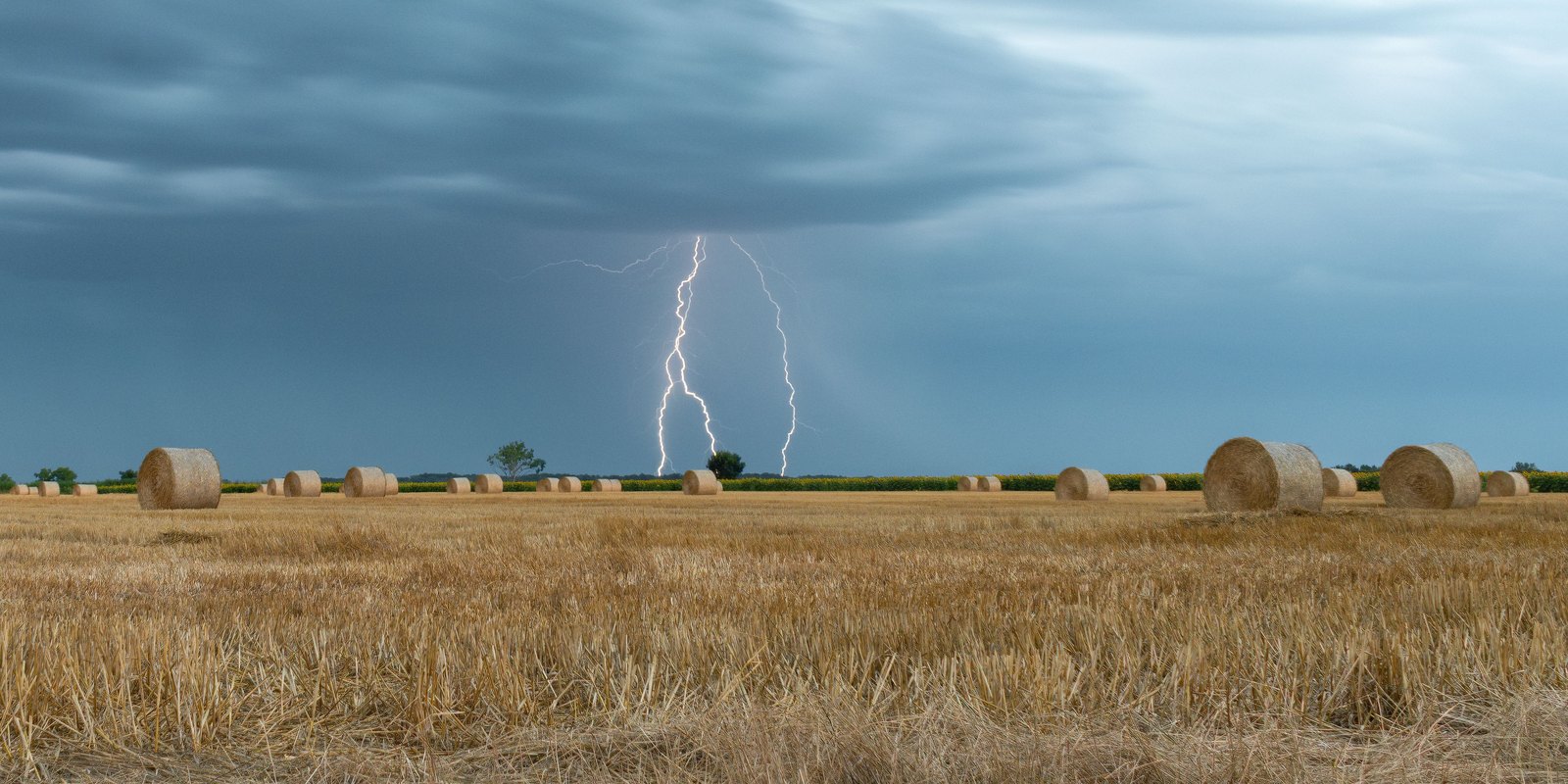
A 40% chance of thunderstorms does not mean your day is ruined. What the percentage measures, when storms usually arrive, and what to actually change.
Forecasts show a percentage and a millimetre figure. Most people only look at one. Here’s what both actually mean — and how to use them together to plan smarter.

The same invisible force that pops your ears on a plane also decides whether tomorrow is sunny or stormy. Here’s how to read air pressure like a forecaster.

A heatwave isn’t just a hot day — it’s the heat that never lets up, especially at night. Here’s what that means for travellers, how a heatwave differs from ordinary hot weather, and what to do when the forecast shows one arriving.

A long-range forecast can’t tell you what the weather will be months from now — but climate averages can. Here’s how to compare destinations properly before you book.

The forecast said sunny, you packed light, and it rained all day. But does that mean forecasts are useless? Not even close — here’s what they’re actually good for.

The forecast said 20 km/h winds. So why did it feel like a gale? Wind speed is one of the most misread numbers in any forecast — and understanding it changes how you plan every trip.

Two destinations, both 30°C — one feels fine, one feels unbearable. The difference is humidity, and most travellers never think to check it. Here’s how humidity works, what the percentage actually means, and how to use it to make smarter travel calls.

A 5-day weather forecast contains far more information than most people use. Temperature ranges, precipitation probability, humidity and hourly windows are all there — here’s how to read them properly and make smarter travel calls.