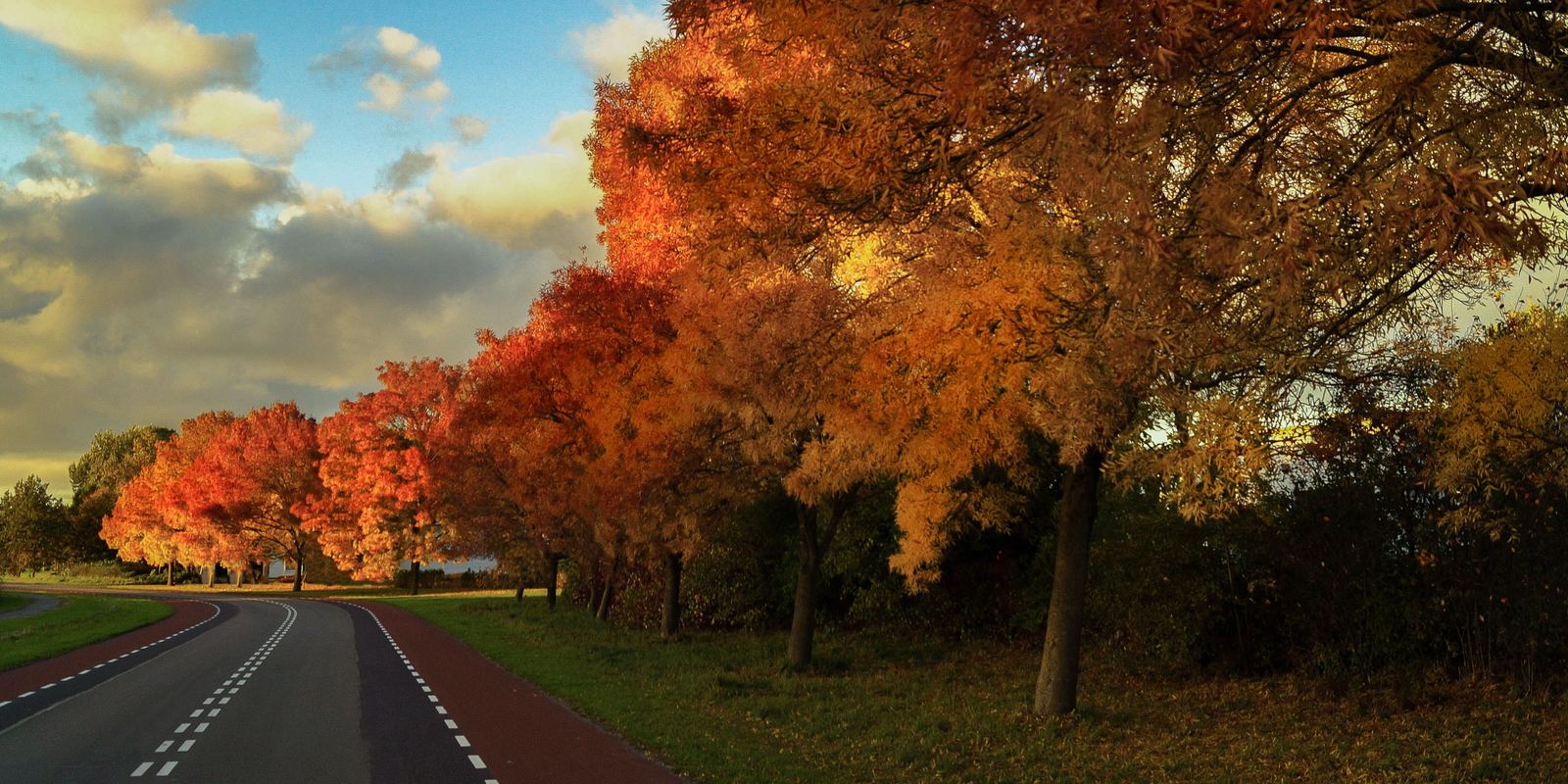
Autumn is the best-value season in the travel calendar, and the reason is physical rather than commercial. Seas and land hold the summer’s heat for weeks after the crowds have gone home, so September and October frequently deliver warmer water than June at half the price and a fraction of the numbers. The trick is knowing which places keep their summer and which have already turned — and which are in the middle of a storm season nobody mentions in the brochure.
Why Autumn Weather Is Better Value Than It Looks
Water warms and cools far more slowly than air. That thermal lag is why Mediterranean sea temperatures peak in late August and September rather than at midsummer, and why they stay swimmable deep into October long after air temperatures have started to ease.
The same lag applies on land. Southern Europe, North Africa and the Middle East all spend September and October shedding heat that arrived months earlier, which turns destinations that were punishing in July into comfortable walking cities. Meanwhile school holidays have ended, so demand collapses just as conditions become pleasant.
For Warm Sea and Empty Beaches: September and October
- The Greek islands. September is arguably the best beach month of the Greek year — the sea reaches its annual peak while the August crowds disperse. October still holds around 24°C (75°F) in the water. Our Rhodes weather guide and the wider Greek islands guide break this down island by island.
- Southern Turkey. The Turquoise Coast runs a fortnight or so behind Greece, with reliable warmth well into late October and prices that drop sharply after the first week of September.
- The Algarve and southern Portugal. Atlantic rather than Mediterranean, so the water is cooler throughout, but September and early October bring calm, warm, quiet days with the summer surge gone.
- Cyprus and Malta. The last of the Mediterranean to cool. Both remain comfortably swimmable into early November, which makes them the natural choice if your dates fall late.
- Bali, for a long-haul option. September catches the tail of Bali’s dry season — warm, sunny and reliably beach-ready before the wetter months build. Our Bali weather by season guide shows the window.
For Autumn Colour: Late October and November
- Kyoto. Colour peaks in the second half of November, later than most people assume, with the clearest and driest light of the Japanese year — time a trip for the last two weeks of the month.
- New England and eastern Canada. Peak foliage runs from late September in the north to mid-October further south. Crisp, bright and highly weather-dependent: a windy week can strip it early.
- Central Europe. Bavaria, Austria and Slovenia hit their colour in mid to late October, paired with cool, settled walking weather and mountain air at its clearest.
For Cities Without the Heat
Autumn transforms destinations that summer makes difficult. Marrakesh, Seville, Rome and Athens all move from uncomfortable to ideal between September and November, with average highs falling into the low twenties and long walking days becoming genuinely enjoyable. Dubai makes the same transition, though later — November is the first properly comfortable month.
Where to Go, Month by Month
| Month | Best for | Where | Why |
|---|---|---|---|
| September | Warm sea, low crowds | Greek islands, southern Turkey, Sardinia | Sea at its annual peak; school holidays over |
| September | Cooling cities | Seville, Rome, Athens | Summer heat easing; long evenings remain |
| October | Late swimming | Cyprus, Malta, southern Turkey | Water still warm; prices at their lowest |
| October | Foliage | New England, Bavaria, Slovenia | Peak colour with settled, cool air |
| October | Desert and mountain | Morocco, Jordan, Nepal | Post-monsoon clarity; comfortable daytime heat |
| November | Autumn colour | Kyoto, Kansai region | Latest and longest colour season of the three |
| November | Winter sun starts | Canary Islands, Dubai, Red Sea | Reliable warmth as Europe turns |
Where Not to Go in Autumn
Three regions are in the wrong part of their year, and they are the ones most often booked by travellers assuming autumn is universally quiet and mild.
- The Caribbean and the Gulf of Mexico. Hurricane season peaks between mid-August and mid-October. Many trips pass without incident, but this is the highest-risk window of the year and travel insurance terms reflect it.
- Central Vietnam and the Philippines. October and November are the wettest and most typhoon-prone months, despite being dry season elsewhere in the region. Southeast Asia is not one climate.
- Northern Japan and Korea in early September. Typhoon season is still active; the settled autumn weather arrives from about the second week of October.
Choosing Between Two Options
If you are weighing two destinations for the same set of dates, compare the actual figures rather than the reputations. Sea temperature, rain days and average highs will separate them faster than any amount of reading — our guide to comparing weather before booking walks through how to do it.
Traveller Tip
Book September and October trips around sea temperature rather than air temperature. Air cools first, which makes early autumn look worse on a forecast than it feels on a beach — the water is still holding August’s heat, and that is what determines whether the trip works.
WorldWeatherTime provides climate averages, sea temperature and 5-day forecasts for destinations worldwide. Compare two options side by side before you book your autumn trip.