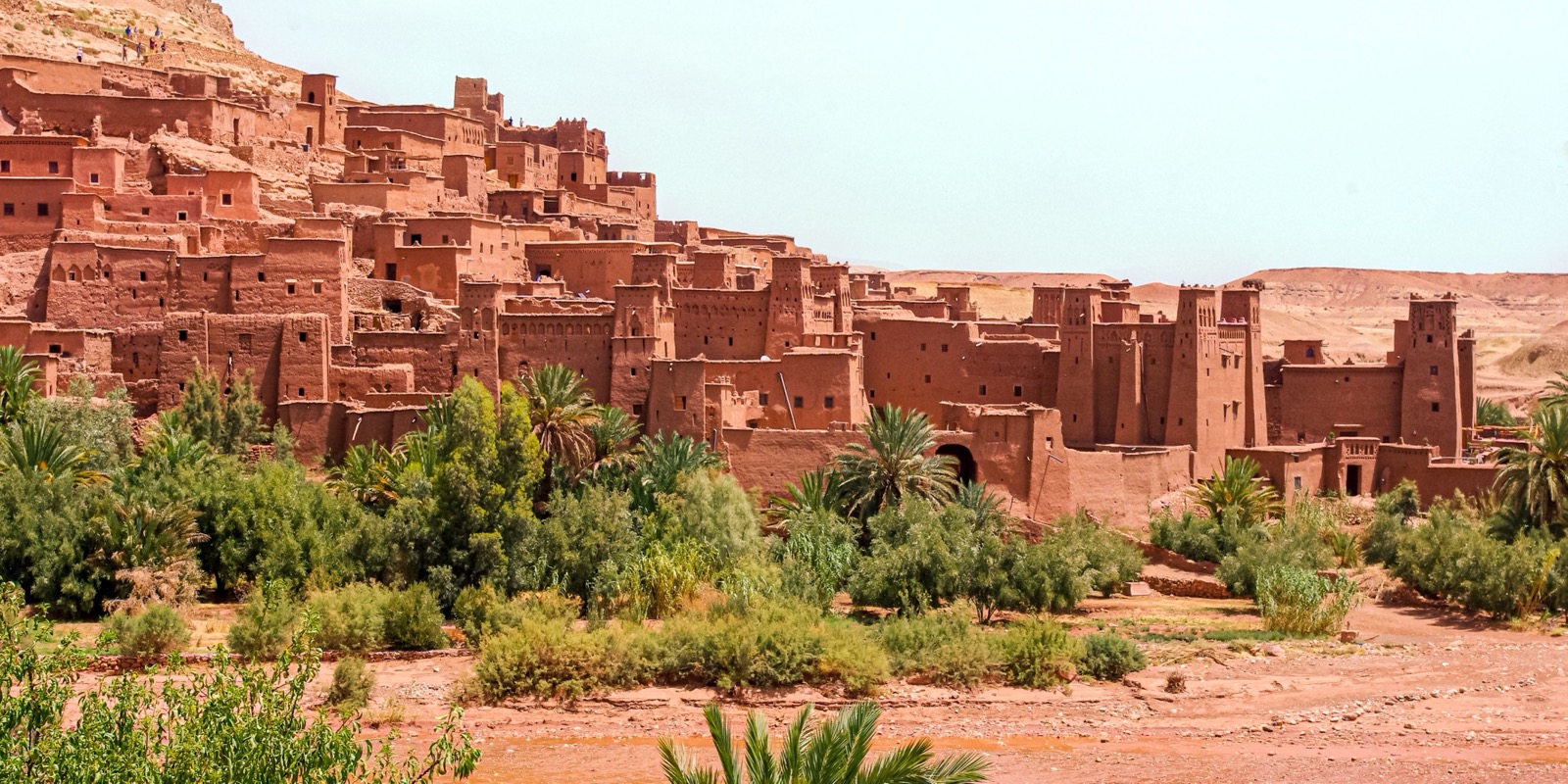
Most people picture Morocco as warm and exotic. The reality is more extreme than that — and more interesting. Marrakech regularly hits 42°C (108°F) in July, but January nights can drop close to freezing. The city sits at the foot of the Atlas Mountains, at the northern edge of the Sahara, and its weather behaves accordingly. Get the timing right and Marrakech is one of the most rewarding cities in the world to visit. Get it wrong and you’ll spend your afternoons in a riad hiding from heat you didn’t expect.
What Most Travellers Get Wrong About Marrakech Weather
The biggest mistake is assuming Morocco is warm year-round. It is not. Winter nights in Marrakech average 5–7°C (41–45°F) — cold enough to need a proper jacket, and nothing like the mild Mediterranean evenings many European visitors expect. Riads are often not well-heated; book somewhere with heating if you’re travelling between November and February.
The second mistake is booking July or August the way you might book a Mediterranean island. Marrakech in high summer is a different category of heat — averages above 40°C (104°F) with nothing to cool you down. No sea breeze, no shade on the main squares, limited air conditioning in older properties. Our guide to travelling in a heatwave applies here more than almost anywhere.
The third — and easiest to miss — is Ramadan. Because the Islamic calendar is lunar, Ramadan falls roughly eleven days earlier each year. In a year when it lands in March or April, it reshapes the entire trip: most restaurants close during the day, the rhythm of the city shifts, and advance planning becomes essential. A two-minute search before you book will tell you whether Ramadan overlaps with your dates.
Marrakech Weather Month by Month
Average daily highs and lows, rain days, humidity and daily sunshine hours, with Fahrenheit alongside Celsius. Scroll the table sideways on mobile.
| Month | High | Low | Avg rain days | Avg humidity | Avg sun hrs |
|---|---|---|---|---|---|
| January | 18°C / 64°F | 5°C / 41°F | 4 | 65% | 7 |
| February | 21°C / 70°F | 7°C / 45°F | 4 | 60% | 8 |
| March | 24°C / 75°F | 10°C / 50°F | 4 | 55% | 8 |
| April | 28°C / 82°F | 13°C / 55°F | 4 | 45% | 9 |
| May | 33°C / 91°F | 17°C / 63°F | 2 | 35% | 10 |
| June | 38°C / 100°F | 21°C / 70°F | 1 | 25% | 11 |
| July | 42°C / 108°F | 24°C / 75°F | 0 | 20% | 11 |
| August | 41°C / 106°F | 23°C / 73°F | 0 | 22% | 11 |
| September | 36°C / 97°F | 19°C / 66°F | 1 | 30% | 9 |
| October | 29°C / 84°F | 15°C / 59°F | 3 | 45% | 8 |
| November | 23°C / 73°F | 10°C / 50°F | 4 | 60% | 7 |
| December | 18°C / 64°F | 6°C / 43°F | 5 | 68% | 6 |
When to Go — Depending on What You’re After
If you want to walk the medina comfortably all day: October is the best month on the calendar. Average highs of 29°C (84°F) feel mild after summer, the light is good for photography, and the souks are navigable without queuing behind tour groups. November is the underrated version of the same — slightly cooler, noticeably cheaper, and the medina has actual breathing room. April comes close for spring walkers; the city is green and fresh, temperatures are comfortable from morning to evening, and the Atlas Mountains are still snow-capped on the horizon.
If you’re watching your budget: January and February offer the most value. Prices are at their lowest, accommodation is plentiful, and days are genuinely pleasant — 18–21°C (64–70°F) with reliable sunshine. The trade-off is cold nights. Bring a warm layer and stay somewhere with heating; a Marrakech riad in January without it is a different kind of uncomfortable from summer heat, but it is uncomfortable.
If you want a day trip to the Atlas Mountains: March and April are the pick. Roads are clear, the foothills are green, and higher passes may still hold snow — a striking contrast to the terracotta city below. October also works well: clear air, excellent visibility, and the heat has eased enough to make hiking feel like a pleasure rather than a survival exercise.
If your dates are fixed in summer: Accept the conditions and plan around them. The medina’s covered alleyways provide genuine shade — the architecture was designed for this climate long before air conditioning existed. Visit the Jemaa el-Fna and outdoor sites before 10am and after 6pm. Keep the middle of the day for riads, hammams, and interiors. July and August are not impossible, but they require a different kind of travel.
The Chergui: Marrakech’s Wildcard
The Chergui is a hot, dry wind that blows in from the Sahara — typically from the east or southeast — and can arrive at almost any time of year. In spring and early summer it occasionally spikes temperatures by 5–10°C above the daily average in a matter of hours, turning a comfortable April afternoon into something far more demanding.
A Chergui event brings fine dust as well as heat — visibility drops, surfaces get coated, and the city feels airless. These episodes usually last one to three days before the wind shifts. They are difficult to predict more than 48 hours out, which is why the live forecast matters here more than in most destinations. If the forecast shows a sudden temperature spike alongside low humidity and strong southerly winds, that is a Chergui arriving.
In July and August, the Chergui layers on top of already extreme temperatures. This is when Marrakech can briefly exceed 44–46°C (111–115°F) — figures that belong in a different category from normal summer heat.
Events Worth Timing Your Trip Around
Rose Festival, Kelaa M’Gouna (May): About three hours south of Marrakech, the Valley of Roses harvests its Damask roses in early May. The festival runs for three days and draws visitors from across Morocco. May temperatures in Marrakech are building — 33°C (91°F) average — but the valley itself is cooler and the experience is genuinely unlike anything in a Western travel itinerary.
Ramadan evenings (dates shift annually): The Jemaa el-Fna after Iftar — the evening meal that breaks the fast — is one of the most atmospheric things you can witness in any city. Food stalls, musicians, storytellers, and the whole city out at once. If Ramadan falls during your travel window, plan your evenings around it rather than against it.
Marrakech International Film Festival (November/December): Held annually in late November or early December, the festival brings international cinema to the city and adds a different kind of energy to the medina and the Palais des Congrès. Weather at this time is cool and dry — a good combination for evening events.
Marrakech vs Dubai: Dry Heat, Different City
Both cities sit in desert climates, both have extreme summers, and both reward a visit between October and April. The difference is in how the heat feels. Dubai‘s summer combines high temperatures with Gulf humidity — feels-like readings regularly exceed 50°C (122°F). Marrakech’s heat is dry, which makes the same air temperature noticeably more bearable: 40°C (104°F) in Marrakech feels different from 35°C (95°F) in Dubai in August.
Dubai has the coastline and the year-round warmth that makes winter short breaks easy. Marrakech has the medina, the Atlas Mountains, and the cultural depth that makes it worth more than two days. They’re rarely the same decision.
Traveller Tip
The medina’s narrow covered alleyways stay significantly cooler than the open squares — the architecture was designed for desert heat centuries before air conditioning. In summer, use the souk streets as your transit routes rather than the wider open roads. You’ll cover the same ground with far less effort.
WorldWeatherTime provides live conditions, hourly forecasts and climate averages for destinations across Morocco and worldwide. Search Marrakech to check current weather before you travel.