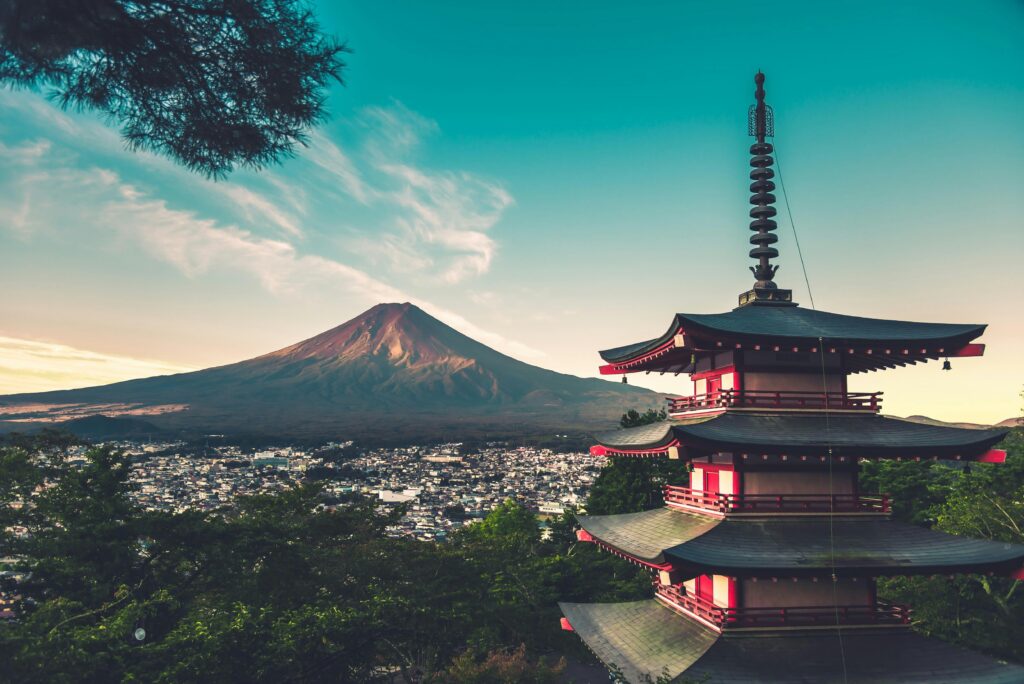
Tokyo doesn’t just have seasons — it transforms. Cherry blossoms in spring, suffocating heat in summer, golden parks in autumn, and occasional snow dusting ancient temples in winter. The city you arrive in depends entirely on when you book, and the difference between getting it right and getting it wrong is bigger here than almost anywhere else.
Tokyo has a humid subtropical climate with four genuinely distinct seasons. Average temperatures range from around 6°C in January to 28°C in August — but those numbers don’t tell the full story. Humidity, a six-week rainy season, typhoon risk, and one of the world’s most famous two-week weather events (cherry blossom) all shape the experience more than the thermometer does.
Tokyo Weather at a Glance
| Month | Avg Temp | Avg Rain Days | Verdict |
|---|---|---|---|
| January | 6°C / 43°F | 4–6 | Cold, dry, clear — occasional snow |
| February | 7°C / 45°F | 5–7 | Coldest feel — plum blossoms begin |
| March | 10°C / 50°F | 9–11 | Warming up — cherry blossom late month |
| April | 15°C / 59°F | 9–12 | Peak cherry blossom — very busy |
| May | 19°C / 66°F | 8–10 | Best all-round month — warm and comfortable |
| June | 23°C / 73°F | 12–15 | Tsuyu rainy season — humid and wet |
| July | 27°C / 81°F | 10–13 | Hot and humid — festivals begin |
| August | 28°C / 82°F | 8–11 | Peak heat and humidity — typhoon risk |
| September | 24°C / 75°F | 13–17 | Highest typhoon risk — still hot |
| October | 18°C / 64°F | 14–17 | Wettest month — beautiful autumn colours |
| November | 13°C / 55°F | 7–9 | Excellent — crisp, clear, autumn foliage |
| December | 9°C / 48°F | 4–6 | Cold, dry, festive — clearest skies |
Spring (March–May): The Season Everyone Comes For
Spring is Tokyo at its most iconic. Cherry blossoms (sakura) typically peak in late March to early April, transforming parks, riverbanks, and temple grounds into something genuinely otherworldly. Shinjuku Gyoen, Ueno Park, and the Meguro River are the classic spots — but during peak bloom, every corner of the city seems to be decorated.
The window is narrow. Peak bloom usually lasts 7–10 days, and the exact timing shifts by a week or more depending on the year. Book accommodation well in advance and track the Japan Meteorological Corporation’s annual cherry blossom forecast — typically released from January and updated weekly as spring approaches. If you miss the peak, early April still offers scattered blossoms and a city buzzing with energy.
May is the quiet gem of the spring season — warmer, less crowded than April, with long comfortable days ideal for walking. Golden Week (late April to early May) brings domestic tourism crowds, so mid-to-late May is the sweet spot for first-time visitors who want good weather without fighting for space. Best for: first-timers, families, cherry blossom seekers, city explorers.
Summer (June–August): Heat, Tsuyu, and Typhoons
Summer in Tokyo is intense. June brings the tsuyu — Japan’s rainy season — a six-week period of near-daily rain and climbing humidity that most travellers don’t anticipate. Temperatures sit around 23–25°C but the humidity makes it feel considerably heavier. Tsuyu is not a reason to avoid Tokyo — the city functions perfectly, and late June often sees breaks in the rain — but pack accordingly and keep expectations realistic for outdoor sightseeing.
July and August are Tokyo’s hottest months, frequently pushing past 35°C with humidity above 70%. Heat exhaustion is a genuine risk for travellers spending long days on foot. The city’s summer festival season (matsuri) is spectacular — Obon in mid-August, fireworks festivals, and rooftop beer gardens — but the heat is relentless from morning to night.
Typhoon season runs from August to October, with September carrying the highest risk. Most typhoons pass without causing major disruption, but direct hits do occur — Tokyo was hit directly by Typhoon Hagibis in October 2019, causing significant damage and transport shutdowns. Monitor forecasts closely if travelling during this window. Best for: festival lovers, budget travellers (lower hotel rates than spring), those unbothered by heat.
Autumn (September–November): Tokyo’s Other Golden Season
Autumn is arguably Tokyo’s best-kept secret. October is technically the wettest month — typhoon activity keeps rain days high — but November is when the city rewards patient travellers. Temperatures drop to a comfortable 10–15°C, the humidity that defined summer disappears, and the city’s parks and gardens turn gold, orange and red with koyo (autumn foliage).
November in Tokyo is what May is to spring — the quieter, more comfortable version of the season’s headline event. Rikugien Garden and Shinjuku Gyoen are particularly stunning. Crowds are significantly lower than spring, prices are reasonable, and the crisp air makes long days of walking genuinely enjoyable. Best for: repeat visitors, photography, anyone who missed cherry blossom season.
Winter (December–February): Cold, Clear, and Surprisingly Rewarding
Tokyo winters are cold but rarely brutal. Temperatures sit around 6–10°C with low humidity and remarkably clear skies — December and January are statistically Tokyo’s sunniest months. The low humidity and dry air mean the cold feels crisp rather than biting, and Mount Fuji views from the city are at their clearest and most dramatic.
Snow in Tokyo is rare but real. The city receives an average of around 9 snow days per year, mostly in January and February. When snow does fall, it rarely settles for long — but the sight of Senso-ji temple or Shinjuku Gyoen dusted in snow is genuinely breathtaking, and something most visitors never plan for. Heavy snowfall (10cm+) occurs roughly once every few years and can cause transport disruption, but a light dusting is more common and causes no issues.
Winter is Tokyo’s lowest-priced season outside of Golden Week, and the New Year period (Oshogatsu) in early January offers a unique cultural experience — shrines packed with locals making their first visit of the year, traditional food stalls, and a quieter, more Japanese-feeling city than peak tourist season. Best for: budget travellers, Mount Fuji day trips, cultural experiences, those hoping to see snow.
What to Pack for Tokyo
| Item | Spring | Summer | Autumn | Winter |
|---|---|---|---|---|
| Light layers | ✓ Essential | Optional | ✓ Essential | ✓ Essential |
| Warm coat | Early Mar only | Not needed | From Nov | ✓ Essential |
| Compact umbrella | ✓ Recommended | ✓ Essential | ✓ Essential | Optional |
| SPF 50+ sunscreen | ✓ Recommended | ✓ Essential | ✓ Recommended | Optional |
| Breathable clothing | ✓ Recommended | ✓ Essential | Optional | Not needed |
| Comfortable walking shoes | ✓ Essential | ✓ Essential | ✓ Essential | ✓ Essential |
TRAVELLER TIP
Cherry blossom timing is never guaranteed — it shifts by 1–2 weeks depending on the year. Before booking flights around it, check the Japan Meteorological Corporation forecast (typically released from January, updated weekly through spring) and keep 5–7 days flexibility in your dates. If you can only book one fixed window, late March to early April covers most years.
Sources
- Japan Meteorological Agency — Tokyo Monthly Climate Normals (data.jma.go.jp)
- Climates to Travel — Tokyo Climate and Seasonal Overview (climatestotravel.com)
- Weather Atlas — Tokyo Climate and Monthly Weather (weather-atlas.com)
- Japan Travel Guide MATCHA — Weather in Tokyo by Month (matcha-jp.com)
- Japan Meteorological Corporation — Cherry Blossom Forecast (jmc.co.jp)
WorldWeatherTime shows live Tokyo weather conditions, hourly forecasts and the feels like temperature for every season — so you always know what to expect before you land.
Check live weather in Tokyo right now
Real-time conditions, hourly forecast and feels like temperature