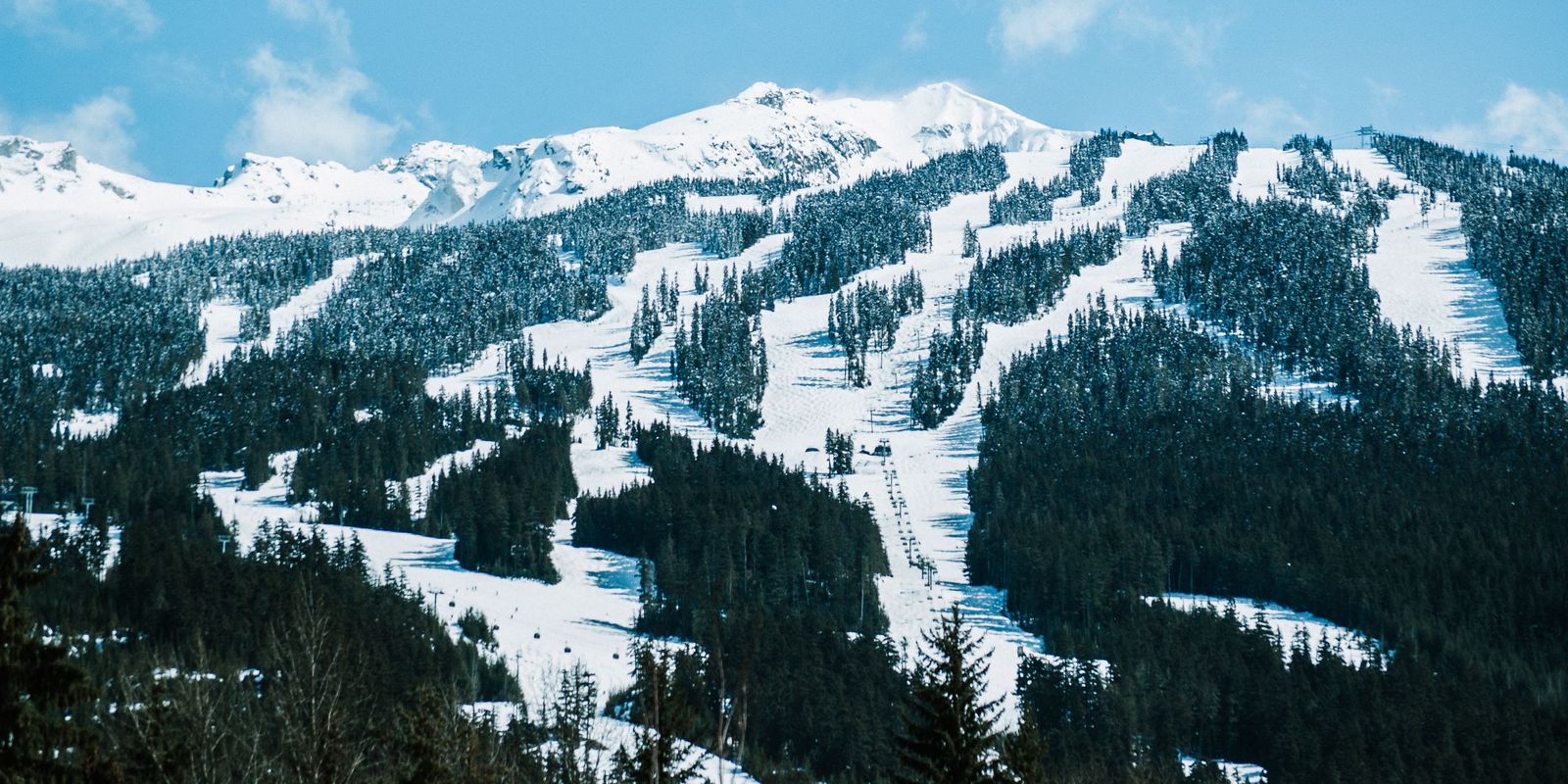
Whistler is built around snow, and its winter reputation is earned — but treat it as a winter-only destination and you miss the warm, dry summer that fills the village all over again.
It runs one of the longest ski seasons in North America and buries its mountains under more than eleven metres of snow in an average year. Two hours north of Vancouver up the Sea-to-Sky Highway, Whistler is really two resorts stacked into one calendar. Pack for the wrong one and you’ll be miserable; here’s the weather month by month, and exactly what to bring.
The Pattern: Mountain Weather, Two Peak Seasons
Whistler sits at around 670 metres in the village, with peaks past 2,180 metres — so there are always two climates in play. The village can be raining while the alpine is deep in fresh snow. Winters are cold and snowy rather than brutally frigid at village level; summers are warm, bright and comfortably dry.
| Season | Months | Avg Village Daytime | Conditions | Pack |
|---|---|---|---|---|
| Winter | Dec–Feb | −2 to 2°C / 28–36°F | Heavy snow, short days | Insulated waterproofs, layers |
| Spring ski | Mar–Apr | 2–8°C / 36–46°F | Softer snow, sun, long days | Lighter ski kit, sun protection |
| Summer | Jun–Aug | 18–24°C / 64–75°F | Warm, dry-ish, cool nights | Light layers, rain shell, warm evening layer |
| Autumn | Sep–Oct | 8–14°C / 46–57°F | Rain returns, first alpine snow | Waterproof layers |
The alpine runs far colder than the village.
Winter (December–February): Peak Snow
This is the Whistler of the postcards. Village daytime temperatures sit around −2 to 2°C / 28–36°F, and it’s the snow, not extreme cold, that defines the experience. January and February are the most dependable months for snow quality, and the busiest and priciest. Pack: insulated, genuinely waterproof outerwear, a proper cold-weather layering system, waterproof gloves, and traction for icy village paths. Goggles and high-SPF sunscreen matter even in winter — at altitude the UV is stronger than it looks, and snow reflects most of it straight back at you.
Spring Skiing (March–April): The Underrated Window
By March the days lengthen, the sun comes out, and the snow softens into classic spring skiing. The season typically runs into late April on Whistler Mountain, making this one of the last reliable places to ski in North America — warmer, brighter and often less crowded than mid-winter. Pack: lighter ski layers you can shed as the day warms, strong sun protection, and something waterproof for slushy afternoons.
Summer (June–August): The Second Season
Whistler’s summer is the half most visitors don’t picture. July and August bring warm, largely dry days around 18–24°C / 64–75°F, long daylight, and low humidity — ideal for the Whistler Bike Park, alpine hiking and the Peak 2 Peak gondola. Nights cool off sharply at altitude. Pack: light, breathable clothing and hiking layers, a packable rain shell for sudden mountain showers, and one warm layer for cool evenings.
Autumn (September–October): The Quiet Shoulder
September can be gorgeous — crisp, clear and quiet, with the alpine larches turning gold late in the month. October tips toward the wet season in the village while the first snows dust the peaks. It’s the cheapest, calmest stretch of the year.
If You Can’t Choose: Weather, Cost and Crowds
| If your priority is… | Visit… | Because… |
|---|---|---|
| Best snow | Jan–Feb | Coldest, deepest, most reliable — but peak price and crowds. |
| Value skiing & sun | Mar–Apr | Spring conditions, longer days, thinner crowds. |
| Biking & hiking | Jul–Aug | Warm, dry, long days — the summer peak. |
| Quiet & cheap | Sep | Clear early-autumn days between the two seasons. |
One Mountain, Two Seasons
Whistler isn’t one destination, it’s two: a deep, long ski season from late November into spring, and a warm, dry summer of biking and alpine trails most visitors never think to book. Match your trip to the season and it delivers in either one.
Traveller Tip
Dress for the mountain, not the village. The base can be mild and drizzly while the alpine is freezing and windy — check the freezing level and the peak forecast, not just the village temperature, before you head up.
Sources
- Environment and Climate Change Canada —Whistler-area climate normals (canada.ca)
- Whistler Blackcomb —season dates and snowfall records (whistlerblackcomb.com)
WorldWeatherTime shows live conditions for resorts and cities worldwide. Search Whistler to check snow, wind and the freezing level before you head up.
Check live conditions in Whistler
Snow, wind and freezing level, updated live