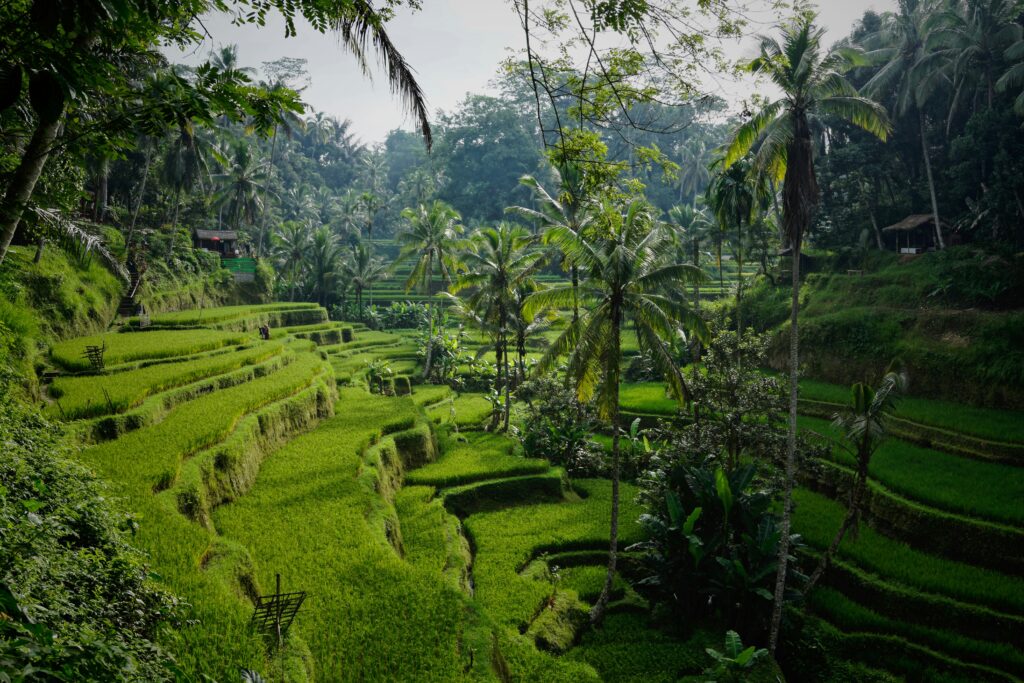
Bali has two very different faces depending on when you visit. Get the timing right and you’ll have clear skies — get it wrong and you’ll be packing an umbrella every morning.
Bali sits just 8 degrees south of the equator, which means it’s warm year-round — temperatures hover between 26°C and 33°C regardless of season. What changes dramatically is the rainfall.
Understanding Bali’s two seasons is the single most important thing you can do before booking.
Bali’s Two Seasons at a Glance
| Season | Months | Rainfall | Best For |
|---|---|---|---|
| Dry Season | May – October | Low | Beach, surfing, sightseeing |
| Wet Season | November – April | High | Fewer crowds, lower prices |
The Dry Season (May – October)
This is Bali’s peak season — and for good reason. Rainfall is minimal, humidity drops noticeably, and the skies stay reliably blue. July and August are the busiest and most expensive months, but also the most predictable weather-wise.
Temperatures sit around 27–30°C during the day with cooler evenings, especially in the highlands around Ubud. The southeast trade winds keep things comfortable even at the beach. One thing the breeze doesn’t reduce is UV. Sitting just 8 degrees from the equator, Bali’s UV index regularly reaches 10–12 during the dry season — the Extreme category on the international scale — meaning unprotected skin can burn in under 10 minutes at midday. This applies even on slightly overcast days, when cloud cover reduces UV by only 10–20%.
| Month | Avg Temp | Avg Rain Days | Verdict |
|---|---|---|---|
| May | 28°C | 6–9 | Shoulder season — great value |
| June | 27°C | 3–6 | Excellent — dry and comfortable |
| July | 27°C | 2–4 | Peak season — book early |
| August | 27°C | 2–4 | Peak season — book early |
| September | 28°C | 3–5 | Excellent — quieter than August |
| October | 29°C | 5–8 | Transition — still mostly dry |
The Wet Season (November – April)
The wet season doesn’t mean constant rain. Most days still get several hours of sunshine — the rain typically arrives in intense afternoon downpours lasting 1–2 hours, then clears. Mornings are often beautiful.
The upside: prices drop significantly, crowds thin out, and the landscape turns a vivid green. January and February are the wettest months and best avoided for beach holidays, but even then it’s rarely unpleasant all day.
| Month | Avg Temp | Avg Rain Days | Verdict |
|---|---|---|---|
| November | 30°C | 10–14 | Transition — manageable rain |
| December | 30°C | 13–17 | Wet but festive — busy with tourists |
| January | 29°C | 16–20 | Wettest month — avoid if possible |
| February | 29°C | 15–19 | Very wet — best for culture not beach |
| March | 30°C | 12–16 | Easing off — good value |
| April | 30°C | 8–12 | Shoulder season — good value |
What to Pack for Bali’s Weather
Regardless of season, Bali is always warm and humid. Light, breathable clothing is essential year-round. The main difference is whether you need rain gear. One thing that doesn’t change with the season is UV exposure — Bali’s proximity to the equator means the UV index sits between 8 and 12 throughout the year, even during the wet season when skies are partly cloudy. SPF 50+ sunscreen is non-negotiable on every visit. What UV index really means for travellers explains what each level demands in practice and how quickly unprotected skin burns at tropical latitudes.
| Item | Dry Season | Wet Season |
|---|---|---|
| Light clothing | ✓ Essential | ✓ Essential |
| SPF 50+ sunscreen | ✓ Essential | ✓ Essential — UV stays high through cloud |
| Rain jacket / poncho | Optional | ✓ Essential |
| Waterproof sandals | Optional | ✓ Recommended |
| Light layer for evenings | ✓ For Ubud | Optional |
When Should You Visit Bali?
For most travellers, the dry season between May and October is the clear choice — particularly June and September for the best balance of weather, crowds and price. July and August are peak season and worth avoiding if you dislike busy beaches and elevated costs.
If budget is a priority and you don’t mind afternoon showers, the shoulder months of April, May and November offer excellent value with largely good weather. Whatever time you visit, check the live forecast before planning outdoor activities — Bali’s weather can vary day to day even within the same season.
TRAVELLER TIP
June and September are Bali’s sweet spot — dry season weather without the July–August crowds and price surges. If you have flexibility, aim for these months.
Sources
- BMKG — Badan Meteorologi, Klimatologi, dan Geofisika — Climate Data for Bali (bmkg.go.id)
- Climate-Data.org — Bali Monthly Climate Averages (climate-data.org)
- World Meteorological Organization — Global Climate Normals (wmo.int)
WorldWeatherTime tracks live weather conditions, forecasts and seasonal guides for destinations worldwide. Search Bali or any city to plan your trip around the weather.